A few years ago, I began sharing a list of the books I’d read over the previous twelve months. It started as a response to how often people asked me if I’d read any good books lately.
Ironically, many of the books I end up reading come from asking that same question to others. Learning what someone reads offers a glimpse into their priorities—and, in many ways, their soul.
In keeping with this annual tradition, below are the books I read in 2025, along with one key “good teammate” takeaway from each.
Three things to know about the books on my list:
1. I read for the sole purpose of learning. That means I choose my books with the expectation of them helping me become a better version of myself. I don’t read for entertainment.
2. I am a notoriously slow reader. I also have a busy schedule, filled with professional and family commitments. I try to read about a book per month. This year, some of my selections were a little shorter, so I was able to read 15 books.
3. I don’t continue reading books I don’t enjoy. If a book feels uninteresting or unlikely to offer value, I don’t push through it. I simply stop and move on to something else. This is worth noting because I finished every book listed below and found value in each one—so I recommend them all!
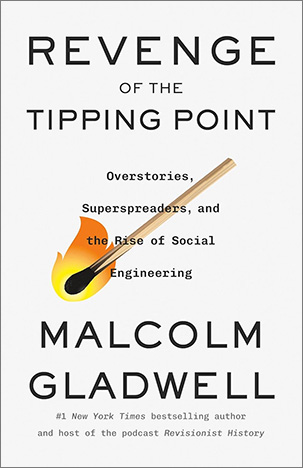
The Revenge of the Tipping Point
By Malcolm Gladwell
(*I loved Gladwell’s original The Tipping Point and was fascinated by how his perspectives have changed in the 25 years between the original and this “sequel.”)
Good teammates can disproportionally shape their teams’ cultures though small, consistent behaviors. Influence doesn’t usually come from grand gestures or loud leadership, but from individuals who are positioned to model norms and reinforce expectations. The subtle behaviors matter!
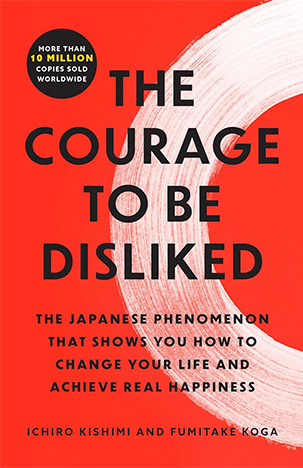
The Courage to Be Disliked
By Ichiro Kishimi
Good teammates focus on contribution rather than approval. When you stop seeking validation and start asking how you can help, trust and cooperation grow naturally.
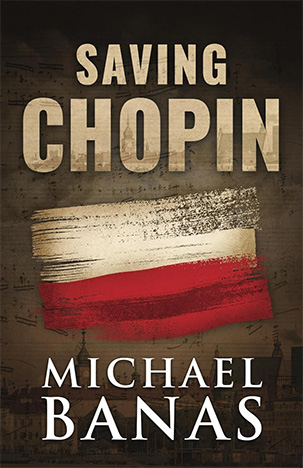
Saving Chopin
By Michael Banas
(*I rarely read fiction, but I chose this book based on a recommendation from my friend Sister Eric Marie—a.k.a. “That Nun” from my book Building Good Teammates. Her orthopedic surgeon, Dr. Michael Banas, wrote it.)
Good teammates should never pass on opportunities to be kind. The story revolves around a homeless man with a mysterious connection to the famous composer Chopin. It made me reflect on how small, seemingly inconsequential acts of kindness can ripple through time and have a profound impact on the disadvantaged.
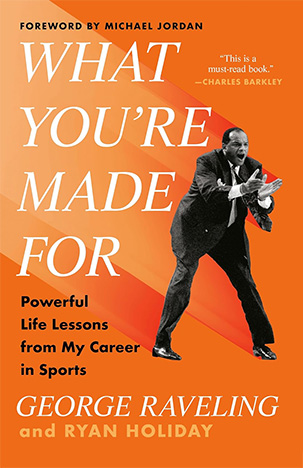
What You’re Made For: Powerful Life Lessons from My Career in Sports
By George Raveling & Ryan Holiday
Good teammates live with purpose and discipline. When you commit to your values and do the hard, unglamorous work every day, you inevitably elevate everyone around you.
The Art of Winning
By Bill Belichick
Good teammates put the team first by mastering their role, whatever role that happens to be. When everyone does their job with discipline and attention to detail, winning becomes a byproduct.
The Let Them Theory
By Mel Robbins
(*This book tested my convictions about good teammates being invested to the extent that they see their teammates’ problems as their own. Reading it made me reflect on the best way to put that practice into action.)
Good teammates don’t try to control others. By letting people be who they are and focusing on what you can control, you create trust, reduce friction, and strengthen the team.
The House of Cash
By John Carter Cash
(*This book gave me a new appreciation for how challenging it can be to be a celebrity’s child—and how challenging it can be for a celebrity to be a parent who’s present and accessible.)
Good teammates must always be cognizant of the symbiotic nature of their relationships. They can never forget how greatly their choices impact those closest to them.
Hurdle-isms: Wit and Wisdom from a Lifetime in Baseball
By Clint Hurdle
(*Hurdle’s book is a collection of pearls of wisdom—i.e., “Hurdle-isms.” This takeaway comes from Hurdle-ism #22, which was one of my personal favorites.)
Good teammates model the behaviors they hope to instill in others. You represent the team everywhere you go. Everything you do has a direct reflection on your team.
The Injured Athlete
By Tami Matheny
Good teammates don’t let injuries diminish their commitment to the teams. Even when they can’t contribute physically, they still find meaningful ways to stay connected and support their teams. They also help injured teammates embrace this approach.

Entrances and Exits
By Michael Richards
(*This may be the book I enjoyed the most this year!)
Good teammates are mindful of how they show up and how they leave. They bring positive energy into every space they enter and strive to leave situations better than they found them by practicing humility, self-awareness, and accountability—especially after mistakes.

When Breath Becomes Air
By Paul Kalanithi
Good teammates stay present and attentive during challenging moments. By doing so, they strengthen bonds and help the team navigate uncertainty together. The deepest connections grow from empathy, active listening, and a willingness to be vulnerable.

Why Johnny Hates Sports
By Fred Engh
Good teammates are shaped by coaches who understand the influence of their platform. That’s why it’s essential for our society to ensure youth coaches are properly trained, certified, and made aware of their lasting impact they have.
The Psychology of Money
By Morgan Housel
Good teammates focus on steady, thoughtful decisions, not big flashy moves. Steady, reliable contributions build trust and long-term success. Don’t overlook the effect “compound interest” has on team culture.

Nudge
By Richard H. Thaler and Cass R. Sunstein
Good teammates can use subtle persuasion to guide others without forcing compliance. This approach helps teammates make better choices while avoiding unnecessary conflict. A small well-timed, well-placed “nudge” can be more effective than the hardest shove.

Behind Convent Walls
By Neva Pinkham Miller
Good teammates respect authority, but they also honor autonomy and individuality. They foster an environment where everyone feels empowered, heard, and valued, rather than controlled or confined. Taking this approach strengthens members’ connections to the team.
One final note…
In addition to the books listed above, I once again read several manuscripts fellow authors sent me throughout the year, soliciting feedback and/or endorsements. I look forward to sharing more of them with you in the future.
If you’ve got any book recommendations, I welcome you to “share” them with me! I’m always open for recommendations.
As always…Good teammates care. Good teammates share. Good teammates listen. Go be a good teammate.


Check out Lance’s past reading lists: