The first round of the NFL playoffs came to an end last night. Among the teams eliminated were the Pittsburgh Steelers, who lost at home to the Houston Texans.
Throughout the Houston–Pittsburgh game, cameras repeatedly panned across the sea of Steelers fans at Acrisure Stadium twirling their Terrible Towels.
Those iconic yellow towels are revered by Steelers fans with a level of sacredness reserved for the holiest of relics. Outside of Steelers Nation, however, they’re often written off as silly, annoying, and even downright stupid.
With all due respect, that’s a terrible take.
Saying defense doesn’t matter in the playoffs is a terrible take. Calling a book overrated without reading it is a terrible take. Likewise, thinking the Terrible Towel is stupid without knowing its backstory is also a terrible take.
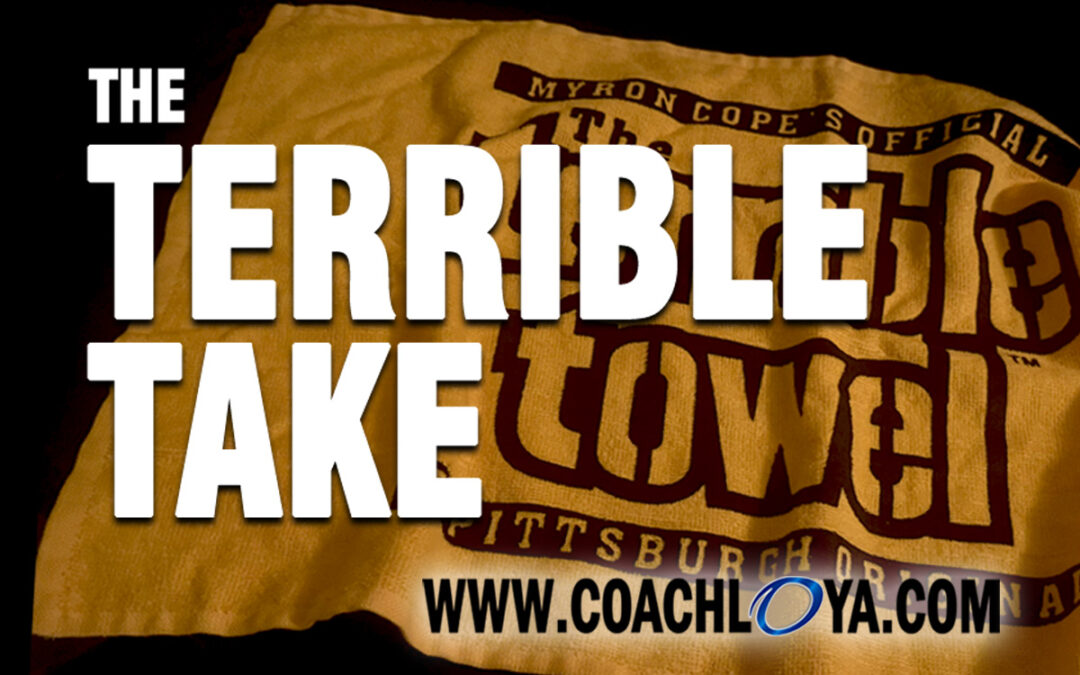
Fifty years ago, WTAE Radio executives tasked the late Steelers broadcaster Myron Cope with coming up with a gimmick to get fans excited for the team’s upcoming playoff game against Baltimore. Cope decided to invite fans to bring “yellow dish towels” to the game and wave during key plays.
When Cope ran this plan by his family, his daughter told him it was a “terrible” idea. Her thoughts inspired the name, but history would prove her wrong. The Steelers defeated Baltimore, 28-10, to advance to the AFC Championship game and went on to win Super Bowl X. The Terrible Towel moniker stuck, and an icon was born.
An official Terrible Towel bearing Cope’s name was released soon after, and it quickly became a fixture in the home of every Steelers fan.
But the story doesn’t stop there. What many outside of Steeler Nation don’t realize is how much good comes from the Terrible Towel—off the field.
Cope donated his ownership of the Terrible Towel trademark to the Merakey Allegheny Valley School, a nonprofit that provides residential services to individuals with intellectual and developmental disabilities, including Cope’s autistic son, Danny.
Royalties from sales of the Terrible Towel and related “terrible” merchandise have raised millions of dollars for the school, helping to cover the costs of new equipment, program development, and facility renovations.
Most would never understand how much the Terrible Towel has done to improve the quality of life for special needs residents at the Merakey Allegheny Valley School unless they make a conscious effort to learn its history.
A similar dynamic can play out on teams, which is why understanding context before passing judgment is critical—especially when evaluating a team member’s value.
Some of the most valuable team members are those not in the spotlight who provide encouragement, emotional support, and levity. Their behind-the-scenes approach influences their fellow teammates’ productivity and indirectly facilitates harmony, unity, and team success.
Think of the players who rarely score and don’t receive much attention from fans or media but are always the first to greet teammates at practice, crack jokes during warmups to ease tension, and voice encouragement to struggling teammates.
Their contributions may not show up on the scoreboard, yet they shape the team’s culture in ways that statistics alone cannot capture.
Basing your evaluation of these team members on statistics alone can be a mistake. Before you write a team member off as being terrible, consider whether that’s a terrible take. Ask yourself, is there more going on behind the scenes that I’m not aware of?
Taking this question seriously goes a long way toward understanding the value of having good teammates.
As always…Good teammates care. Good teammates share. Good teammates listen. Go be a good teammate.