For that reason, I am appreciative of restaurants that provide their guests with a queue experience that makes the wait enjoyable. A queue experience is the feeling people have while waiting in line, shaped by things like comfort, entertainment, and how engaging or frustrating the waiting feels.
Disney provides guests with an enjoyable queue experience as well as anyone. I’ve eaten at every restaurant in Walt Disney World, so I like to think my assessment comes from a place of expertise.
Recently, my wife and I ate at Boma-Flavors of Africa in Disney’s Animal Kingdom Lodge. Resembling a lively African thatch-roofed marketplace, this “all-you-care-to-eat” buffet is among my favorite Disney dining experiences.
In Swahili, the word boma means enclosure. Many African communities build bomas to protect their livestock and families from outside threats, like lions.
While we waited for our table, my wife and I sat around a beautiful indoor firepit. A friendly cast member (employee) pointed out how the embellishments on the metal screen surrounding the pit told the African folklore story of Ogun.
For those not able to follow the story through the embellishments, a bronze plaque embedded in the floor near the pit offers the story in words:
AN AFRICAN FOLKTALE
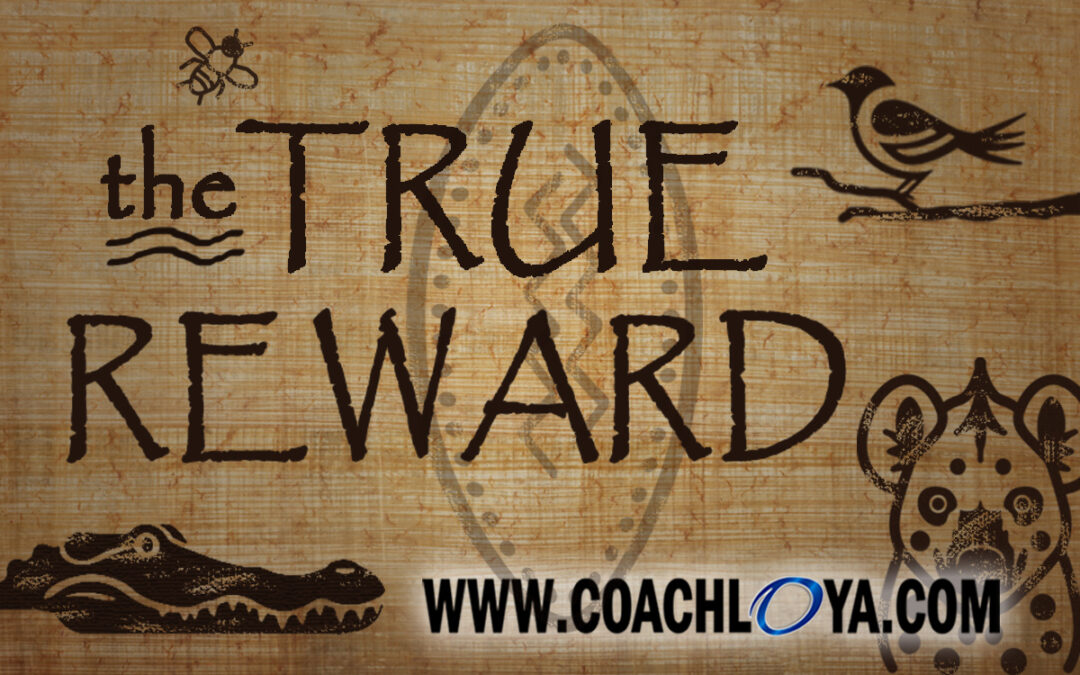
A poor man traveling across Africa kindly shared his millet with a weaverbird. He gave a passing hyena some meat. With a buzzing bee, he shared his honey, and to a crocodile, he gave water.
A wealthy king set the man four difficult tasks to win the hand of the princess. First, identify the king’s daughter in a crowd.
The grateful bee flew around the princess, revealing her identity. Next, the man was to sort a mountain of seeds. The weaverbird helped him. He was told to devour an ox. The hyena happily came to his aid. Finally, the crocodile and his family formed a bridge so the man could cross the river and retrieve a magical feather.
The man received riches and the hand of the princess, but his true reward was finding friends who repaid his selfless acts.
The story endures because it reverses the usual balance of power. It shows that kindness and humility carry more weight than physical force or social status. Ogun succeeds not through strength alone, but by forming loyal alliances rooted in compassion and gratitude.
What’s important to note is that Ogun’s original interactions with the animals were not driven by ulterior motives or opportunism. They came from a place of genuine care. His approach reflects an important principle of being a good teammate related to reciprocity: People care about those who care.
Good teammates are kind, compassionate, and merciful not because they hope to one day call in those favors for their own benefit, but because they sincerely care about the well-being of others. We value those sorts of teammates because we know they care.
The true reward comes from being in the presence selfless teammates who care.
In the end, the strongest bomas aren’t built of wood or thatch, but of trust. When teammates consistently show care for one another, they create a space where people feel protected, valued, and willing to give their best—without keeping score.
As always…Good teammates care. Good teammates share. Good teammates listen. Go be a good teammate.