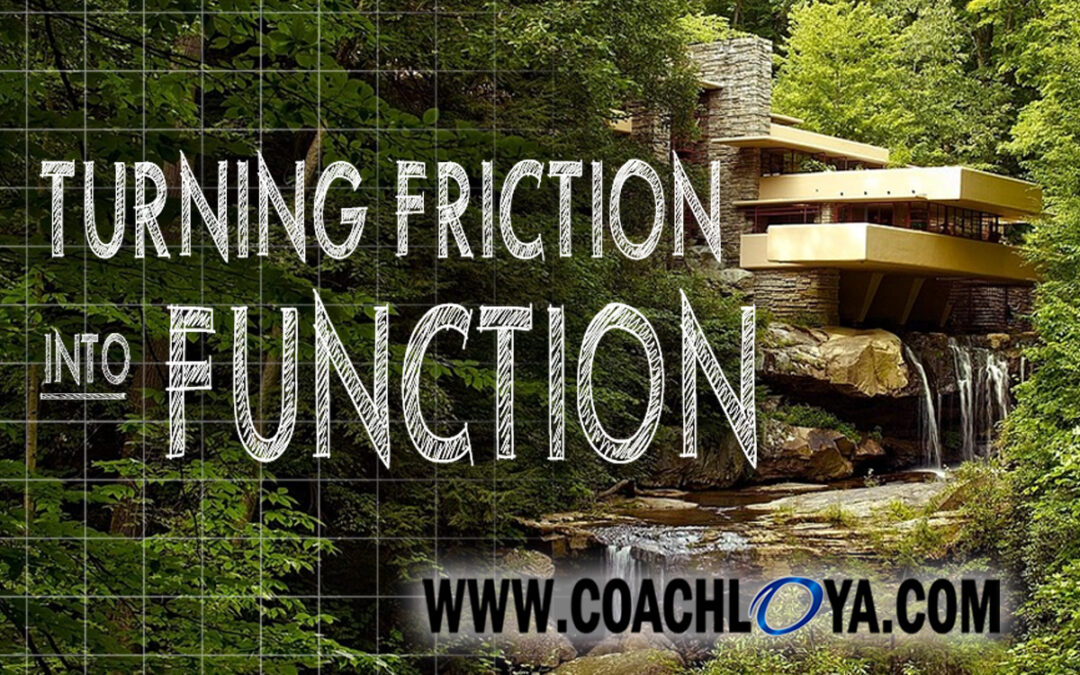
Ninety years ago this month, construction began on what the American Institute of Architects later named the greatest work of American architecture: Frank Lloyd Wright’s Fallingwater.
Nestled in the Allegheny Mountains, about 70 miles outside Pittsburgh, the famed architect designed the iconic structure as a weekend residence for department store magnate Edgar Kauffman Sr. and his family.
Fallingwater was built directly over an existing waterfall. Its inhabitants not only saw the cascade but also heard and felt it throughout the house, making nature an integral part of living there.
The home’s concrete cantilevers, which allow the horizontal terraces to extend over the waterfall and create Fallingwater’s distinctive floating appearance, was considered an engineering risk at the time. Nevertheless, Wright’s bold design helped revive his struggling architectural career and propelled him to near-celebrity status.
In 1964, Fallingwater opened to the public as a museum. Since then, millions of visitors have toured the historic residence, including actor Brad Pitt, an architecture enthusiast who celebrated his 43rd birthday there.
Wright’s ability to seamlessly integrate his theories on organic architecture into the design is what made Fallingwater a work of genius. In addition to the waterfall, he also used natural materials including local stone throughout. Even interior elements, like the boulder that forms part of the living room floor, reflect the home’s connection to nature.
He believed that architecture must do more than simply fit into its natural surroundings. It should replicate its forms, use its materials, and highlight the hidden qualities of the landscape itself.
In other words, he believed architecture shouldn’t fight the environment; it should align with it. This same principle applies to teamwork and getting people to be good teammates.
Wright sought to bring humans, nature, and architecture into harmony so that each would be enhanced by the relationship. He didn’t try to dominate the landscape. He designed Fallingwater to work with the waterfall, the rocks, and the surrounding forest.
Likewise, team leaders shouldn’t force team members into rigid roles that ignore their natural strengths. By paying attention to the “terrain” (i.e., members’ personalities, unique pressures, situational timing, and context), you turn potential friction into something functional that can become beautiful.
In the way Fallingwater found success by embracing the waterfall and surrounding landscape, teams find success by leaning into individual strengths and respecting natural dynamics.
A good teammate isn’t someone who tries to control everything or everyone. They’re someone who recognizes the flow of the team and finds opportunities to contribute in harmony with it. Leaders improve their chances of creating synergy and getting people to be good teammates by encouraging this mindset.
Team members are less likely to grow stale, resentful, or apathetic when they are put in positions where their natural, organic talents are utilized and valued.
In an interview with NBC’s Hugh Downs, Frank Lloyd Wright said a building should “grace its environment rather than disgrace it.” The same can be said of good teammates.
As always…Good teammates care. Good teammates share. Good teammates listen. Go be a good teammate.